US College Pathway
Learn more about the US college sports system, including scholarships, divisions, academics, and eligibility requirements for student-athletes. Gain a better understanding of the opportunities and pathways available through US college athletics.
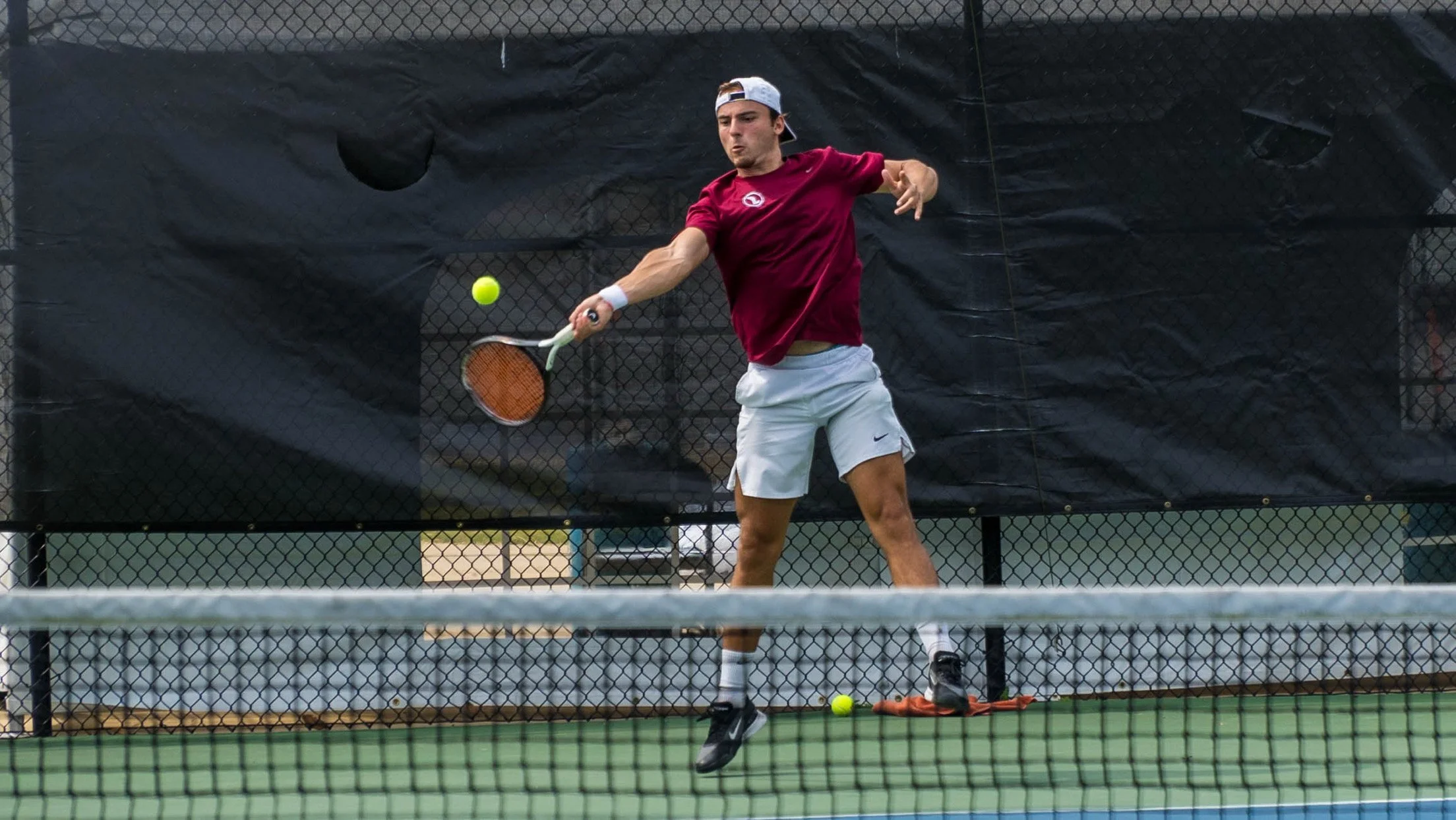

US COLLEGE DIVISIONS
US college athletics is made up of several different divisions and associations, each offering unique opportunities, competition levels, scholarship options, and student-athlete experiences. Understanding the differences between each pathway can help athletes find the best fit both academically and athletically.
NCAA Division I (D1)
Known for highly competitive athletics programs, offering strong competition, larger athletic programs, and scholarship opportunities.NCAA Division II (D2)
A competitive level that balances athletics, academics, and student life, with partial scholarship opportunities commonly available.NCAA Division III (D3)
Focused heavily on academics and overall student experience, with no athletic scholarships offered.NAIA
A smaller college athletics association known for flexibility, competitive sport, and scholarship opportunities.JUCO (Junior College / NJCAA)
A pathway that allows athletes to develop academically and athletically before potentially transferring to a four-year university.
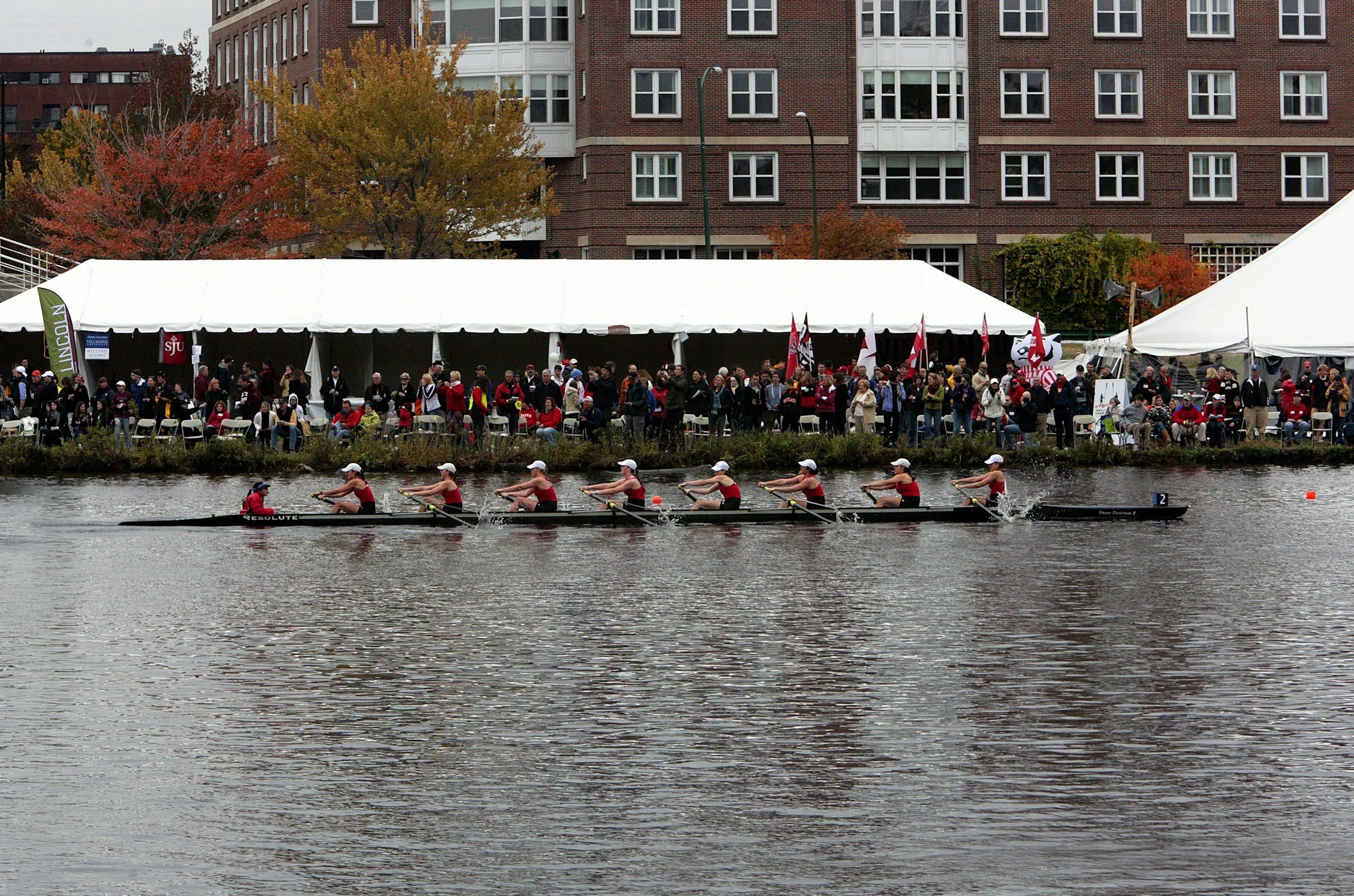
NCAA DIVISION I
361 schools
4 Year institutions
8,800 median undergraduate enrollment
1 in 22 students is an athlete
Average of 19 athletic teams per school
Make up 37% of student athletes
Multiyear cost-of-attendance athletics scholarships are available
57% of students receive athletic aid
Minimum 2.3 GPA
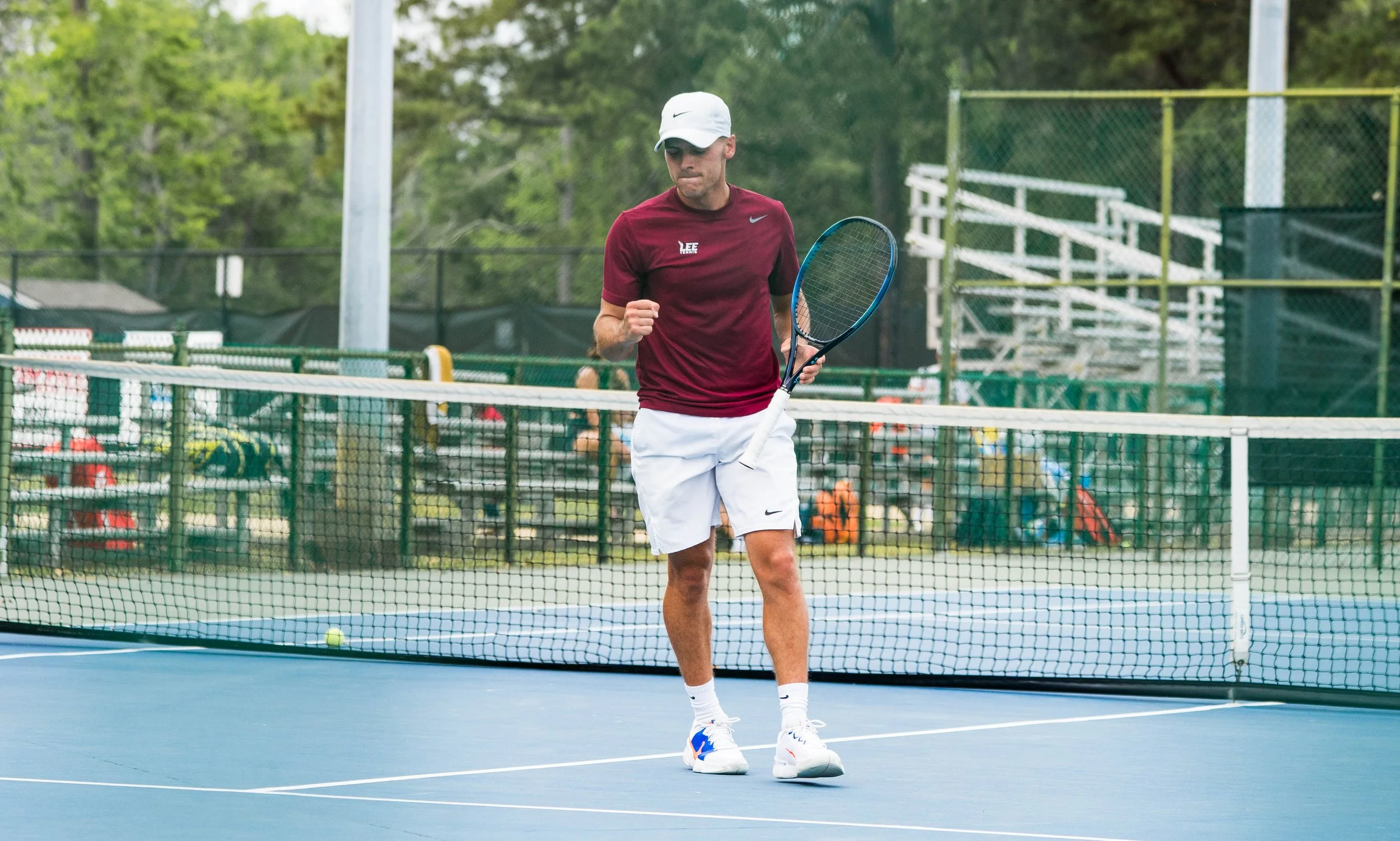
NCAA DIVISION II
292 schools
4 Year institutions
2,100 median undergraduate enrollment
1 in 7 students is an athlete
Average of 17 athletic teams per school
Make up 24% of student athletes
Partial athletic scholarship model (full scholarships still available)
62% of athletes receive athletic aid
Minimum 2.2 GPA

NCAA DIVISION III
422 schools
4 Year institutions
1,700 median undergraduate enrollment
1 in 5 students is an athlete
Average of 19 athletic teams per school
Make up 38% of student athletes
No athletic scholarships (academic scholarships still available)
80% of athletes receive non-athletic aid

NAIA
250 schools
4 Year institutions
2,025 median undergraduate enrollment
Average of 385 student-athletes per institution
87,299 total NAIA student athletes
Athletic scholarships available
Minimum 2.0 GPA
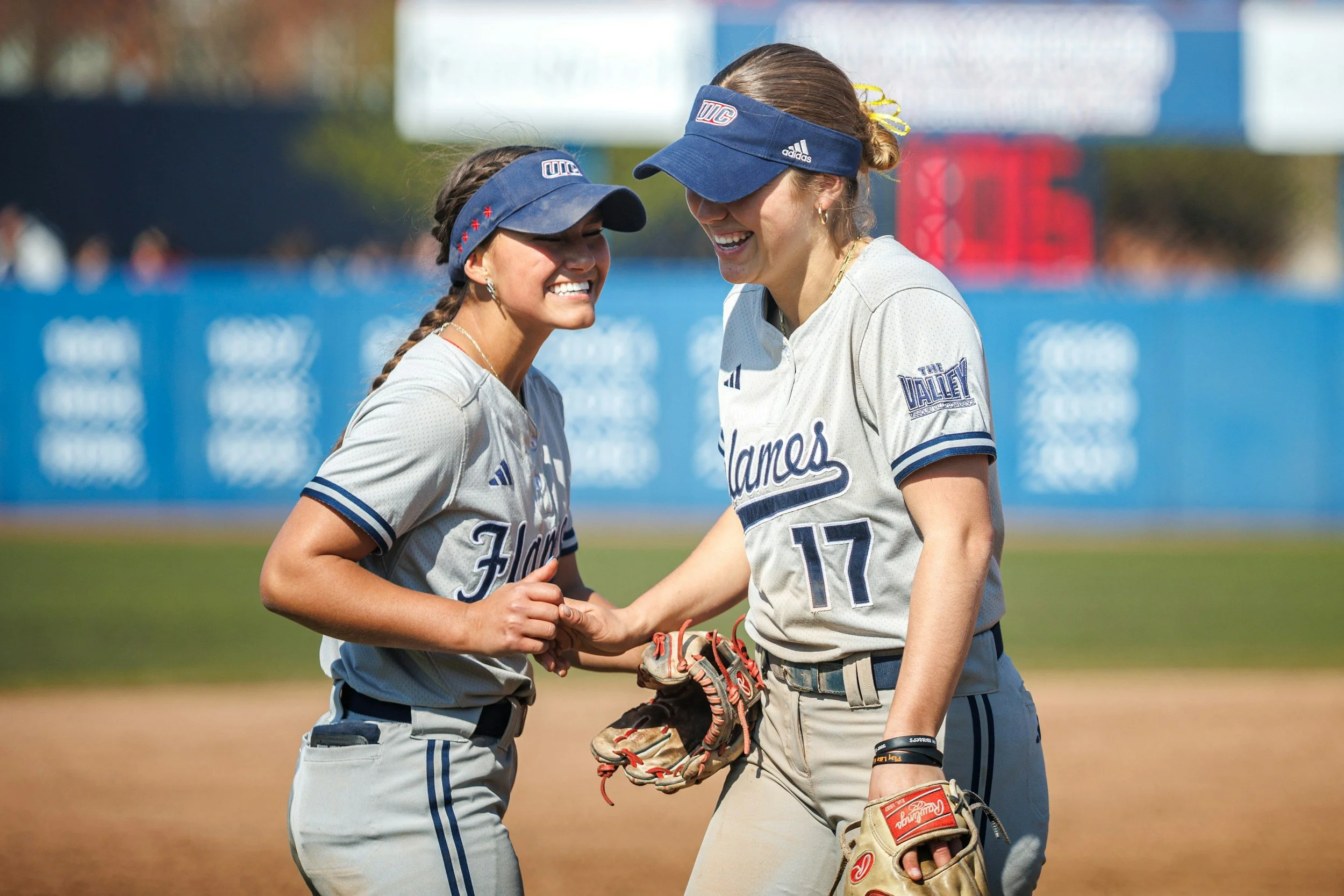
njcca (juco)
Over 500 member schools across the United States
Two-year college pathway with opportunities to transfer to NCAA or NAIA programs
Approximately 60,000–70,000 student-athletes compete in the NJCAA each year
Offers competition across 28 sports and more than 50 national championships
Athletic scholarships are available at many NJCAA institutions
Smaller campus environments with more individual support and development opportunities
Flexible eligibility pathways for international and developing student-athletes
Strong pathway for athletes looking to improve academically, athletically, or gain additional recruiting exposure before transferring to a four-year university